If y\\ou’re looking for a designer who values empathy
and accessibility, let`s connect and create together!

Hi, I’m Evelyn! :)
My path into UX hasn’t been linear (and I believe that is one of the things that shaped me most as a designer.)
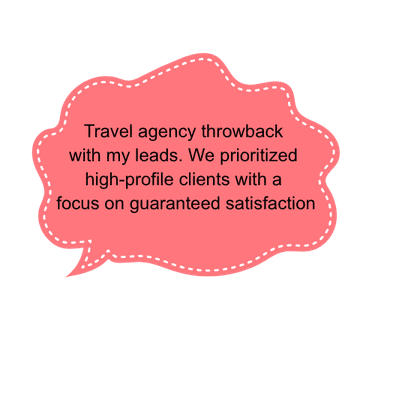
I have a background in Business Administration and Tourism, and my career has taken me through creative entrepreneurship, customer service, financial operations, events, travel, and now UX/UI design.
Different industries, different roles, but a common thread: people.
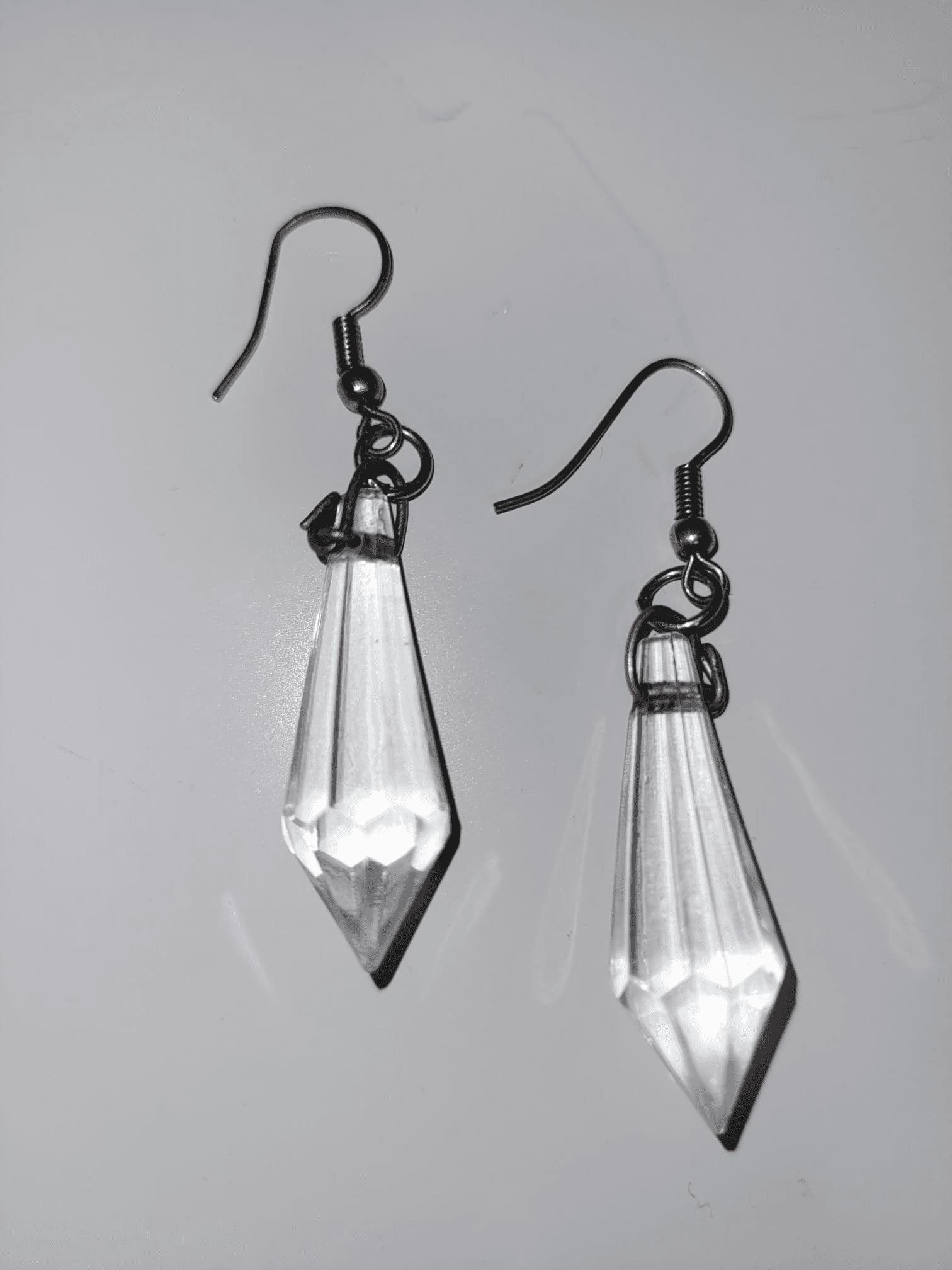
From handmade jewelry to UX
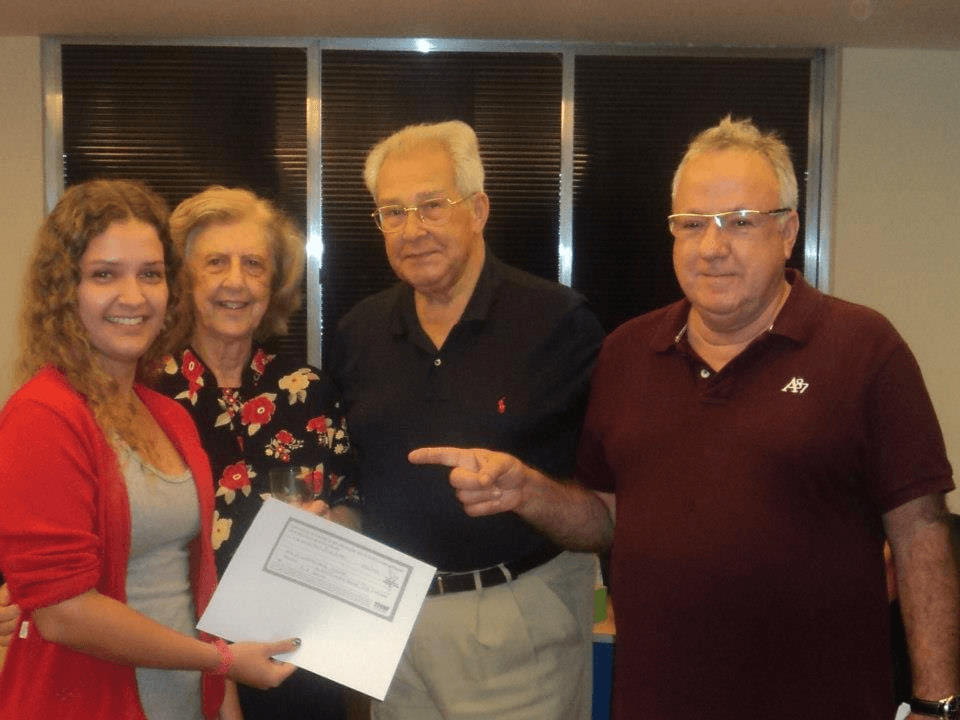
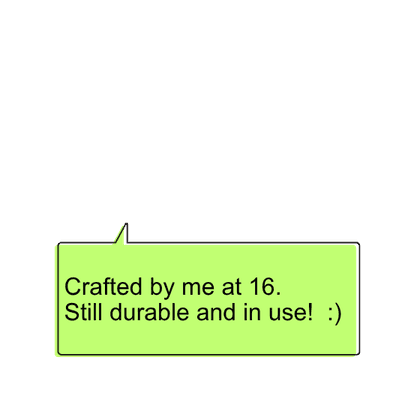
My first experience with entrepreneurship started when I was 16, creating and selling personalized jewelry.
At the time, I didn’t know I was developing skills that would later become part of my approach to UX.
Every customer had different preferences and expectations. I learned to ask questions, listen carefully, pay attention to details, and create something that felt personal to each person.
I also learned that the experience does not end when the product is delivered. When something goes wrong, you need to understand what happened, communicate clearly, and find a solution.
Those lessons have stayed with me.
A career built around people
My background in tourism taught me how to understand individual needs and organize complex journeys.
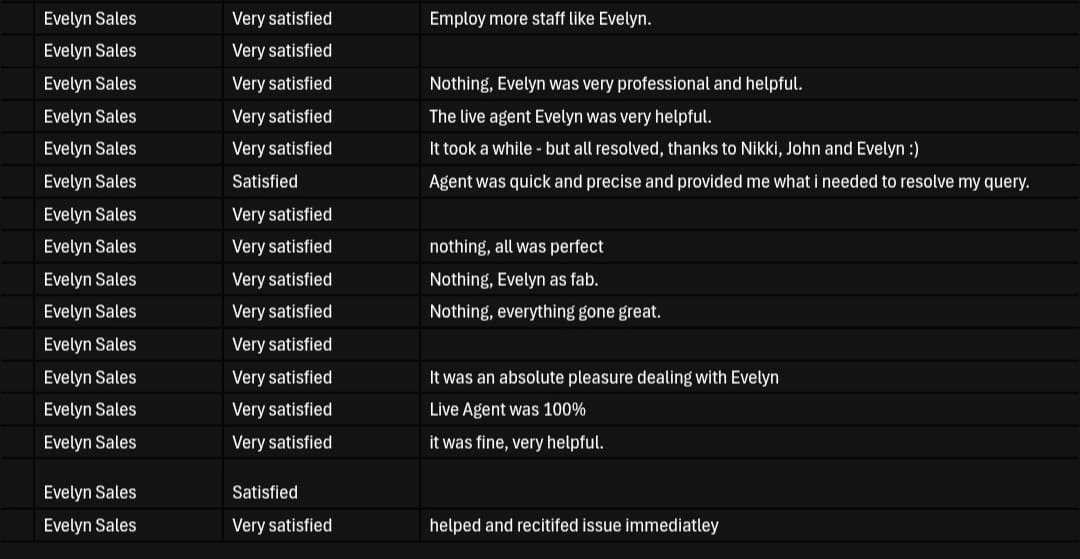
Working in customer service taught me to listen, communicate clearly, solve problems, and stay calm when things don't go as expected.
My experience in structured and operational environments taught me precision, responsibility, and how to work within existing systems and constraints.
And entrepreneurship taught me ownership (thinking about an experience from beginning to end).
When I discovered UX, I realized that many of the things I had enjoyed throughout my career were already part of the discipline:
Understanding people.
Finding the real problem.
Making complex things easier to understand.
Creating something useful and meaningful.
Finding my way into UX
UX gave me a framework to bring those experiences together.
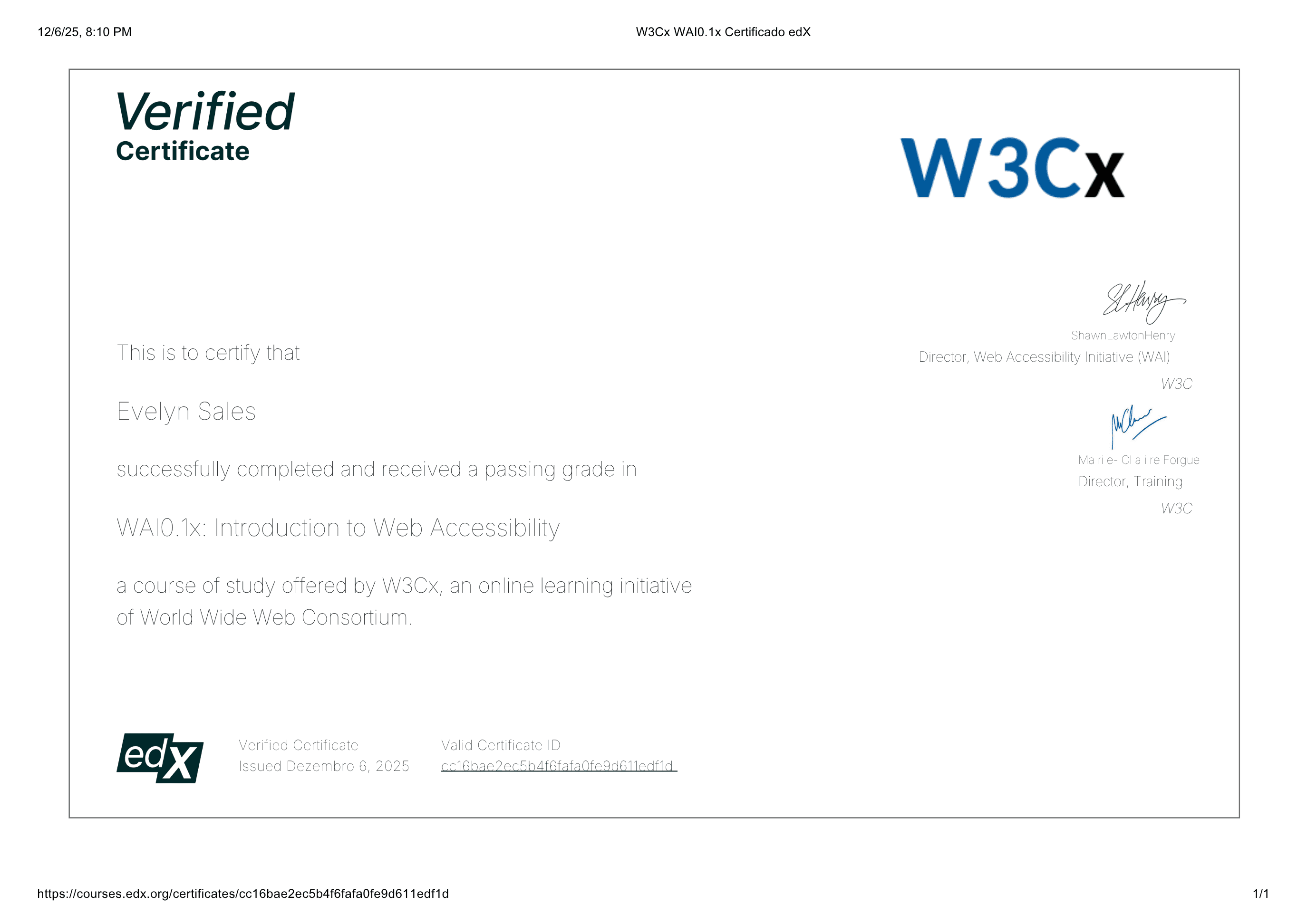
Since moving into the field, I’ve been developing my skills through UX/UI projects, research, usability testing, interaction design, UX writing, and product thinking.
I’m still building my professional experience in UX, but I bring curiosity, a multidisciplinary background, strong communication skills, and a genuine interest in understanding how people interact with products and information.
I’m especially interested in opportunities where I can learn from experienced teams, contribute to meaningful products, and continue growing as a designer.
Why Accessibility?
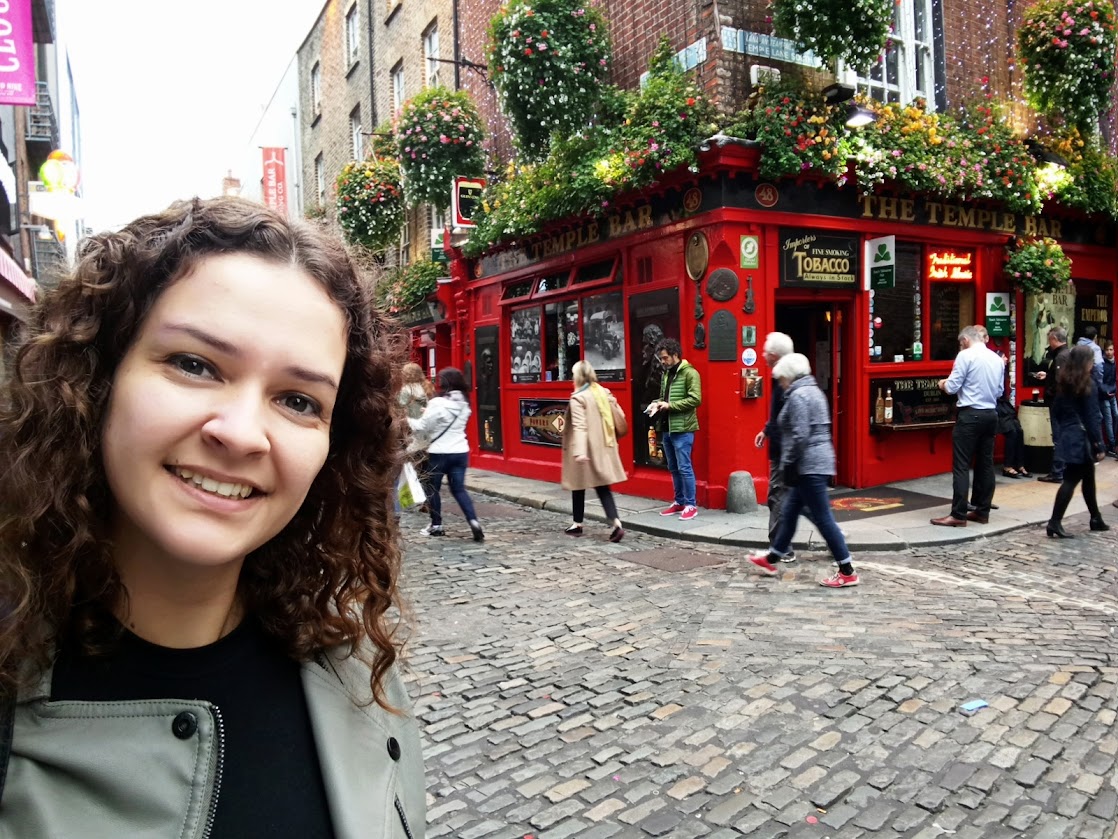
Accessibility became an important part of how I think about design after a simple moment while I was living in Dublin.
One day, I saw a blind woman on a train asking her son which station would be next.
It was a small moment, but it stayed with me.
I started thinking about how many everyday experiences depend on information designed primarily around visual assumptions (and how something that seems simple to one person can become a barrier to another).
That experience made me want to understand accessibility more deeply.
From curiosity to research
During my second degree, I explored this topic in my final research project, looking at whether voice assistants such as Alexa were genuinely helping people who might benefit from them, including older adults, or whether introducing another device could also create new forms of complexity and dependence.
The project was completed in 2022, so I don't consider it a current product case. Technology has changed since then.
But the question behind the research has stayed with me:
Does technology make something easier for the person using it — or are we asking people to adapt to the technology?
That question continues to influence how I think about UX.
Accessibility in my design practice
I don't see accessibility as a final checklist.
I see it as part of understanding the problem and considering different abilities, contexts, and ways of interacting from the beginning.
Today, accessibility is one of the things I care about most in design (alongside clarity, usability, research, thoughtful interaction, and respect for the person on the other side of the screen).
Good design should not make people work harder just to access information that was meant for them.